The circular economy (CE) is an innovative economic model that moves away from the traditional "take, make, dispose" approach. Instead, it focuses on designing out waste, keeping products and materials in use, and regenerating natural systems.
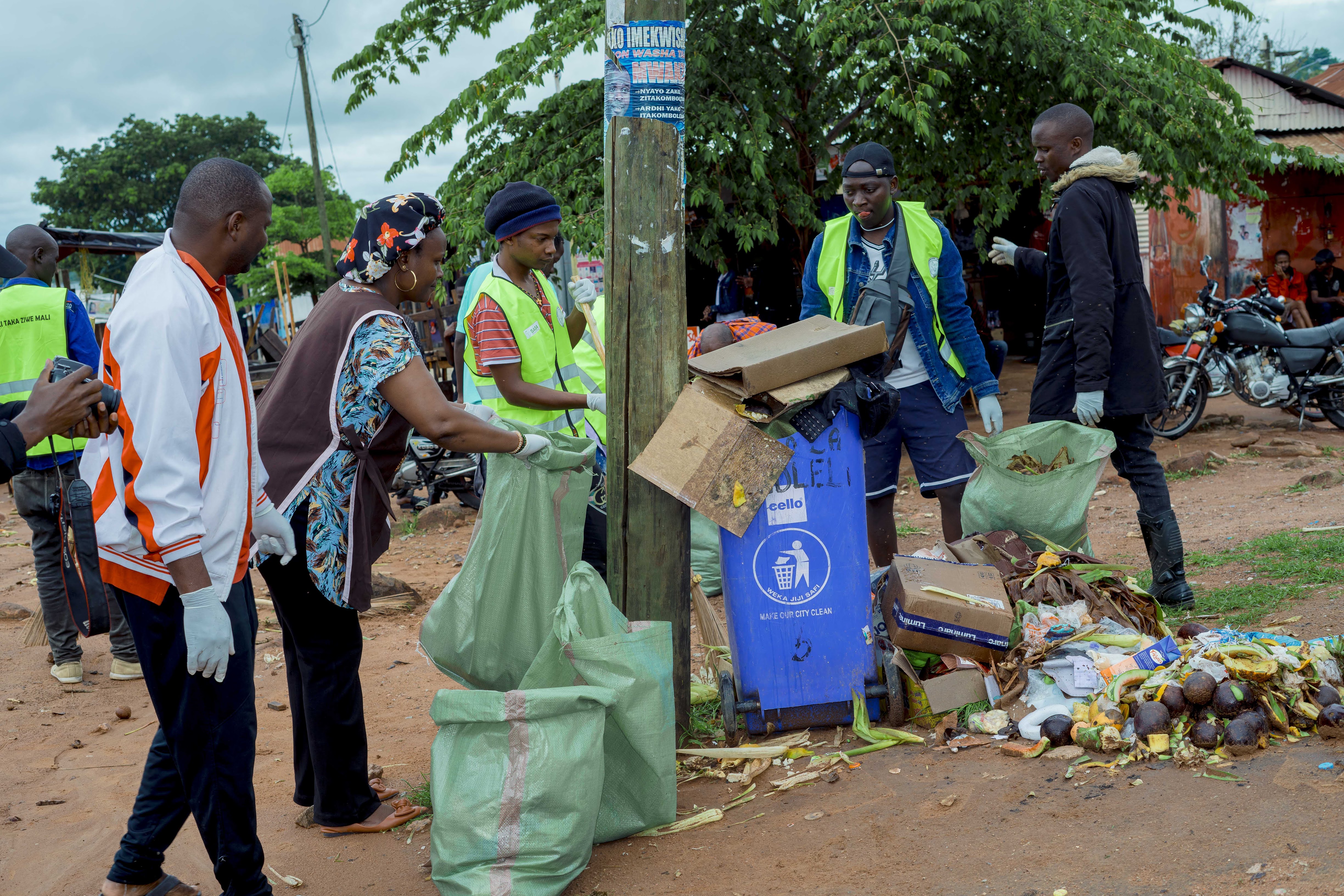
By adopting circular economy principles, Mwanza and Ilemela can create a sustainable, resource-efficient future where waste is minimized, and resources are used more effectively.
Minimize waste through careful planning and innovative design.
Maximize the lifecycle of products and materials through reuse and recycling.
Support and enhance the natural environment through sustainable practices.
Explore the top opportunities to build a circular economy in Mwanza and Ilemela, driving both environmental and economic benefits.
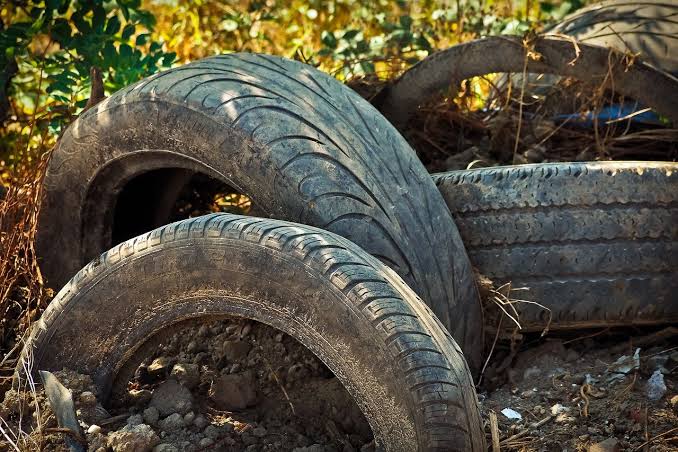
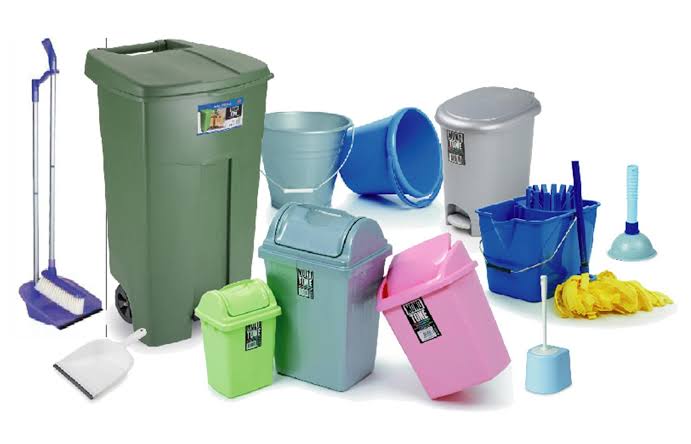
Recycling involves converting waste materials into new products to minimize the consumption of raw materials and reduce waste.
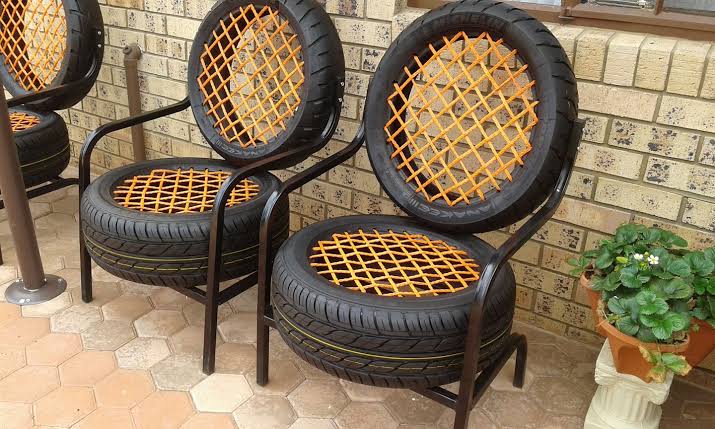
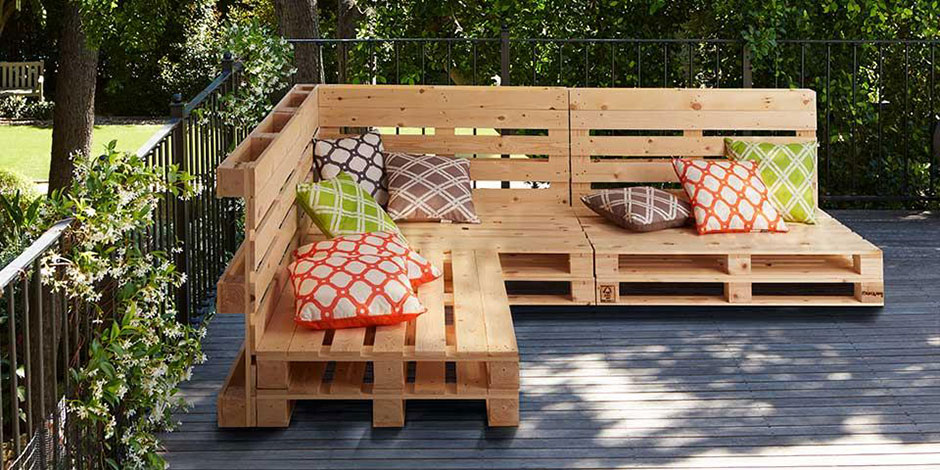
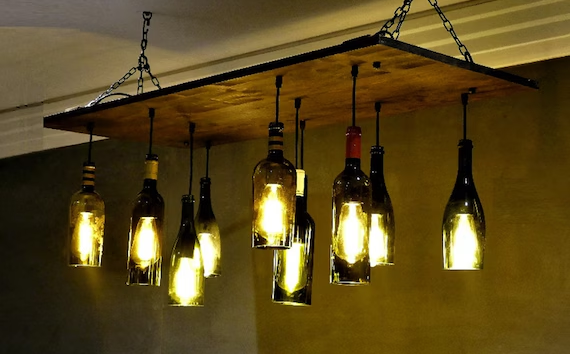
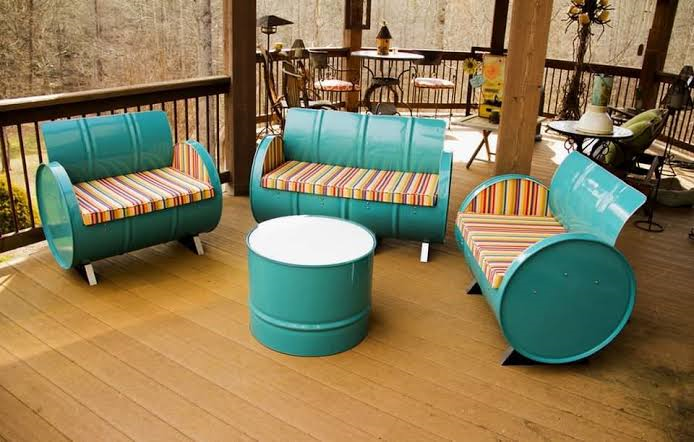
Upcycling turns waste materials into products of higher value or quality, enhancing the utility and life of discarded items.
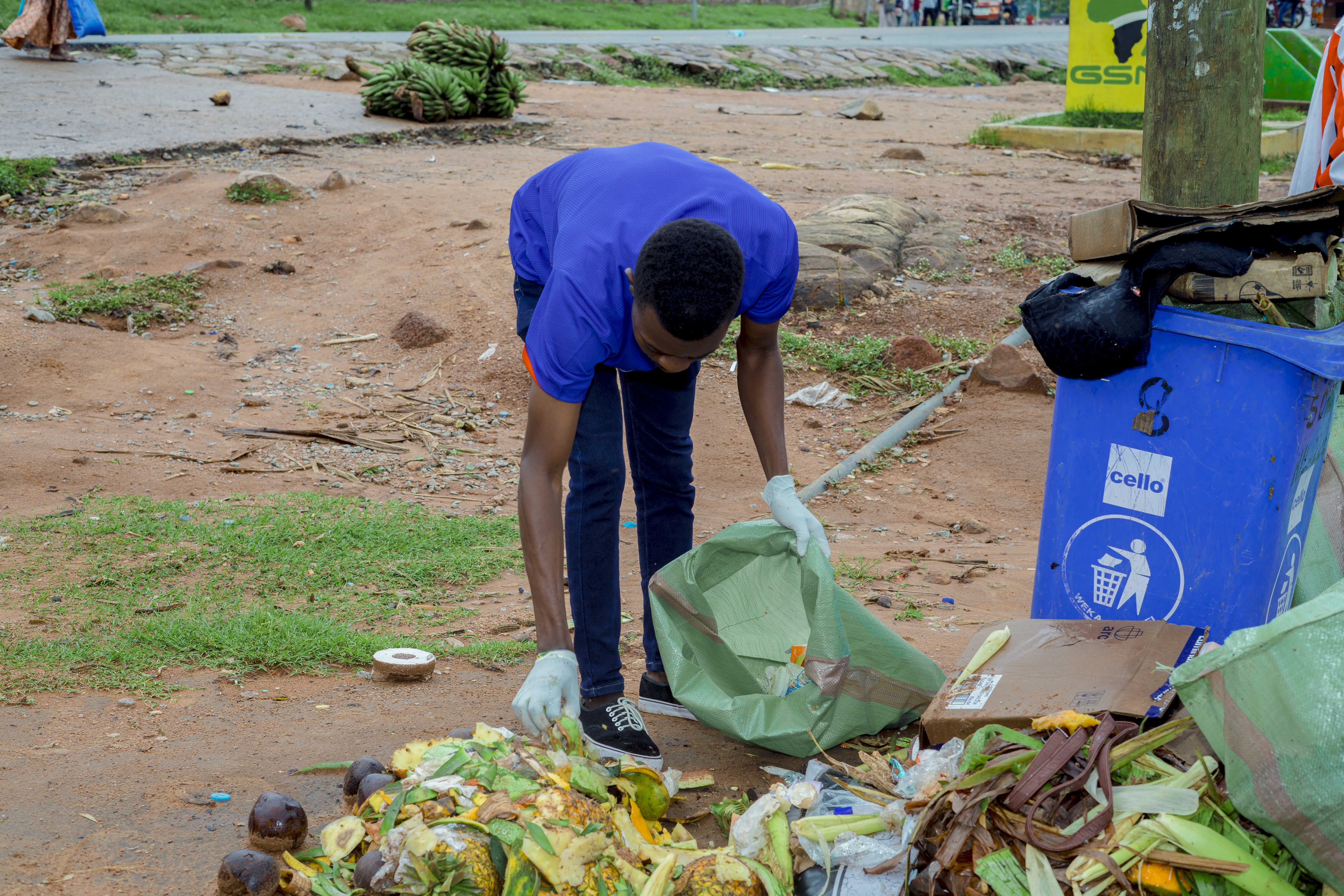
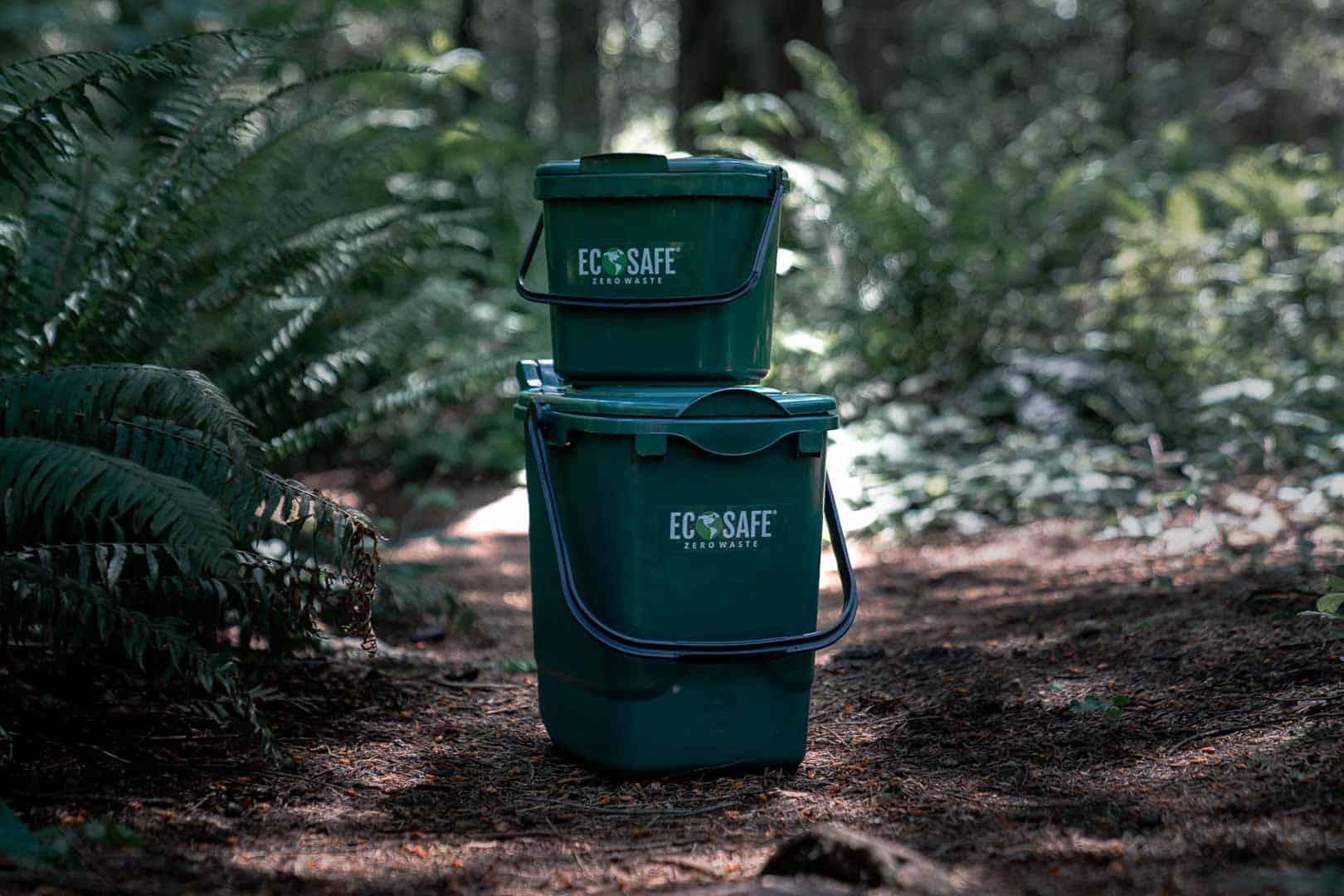
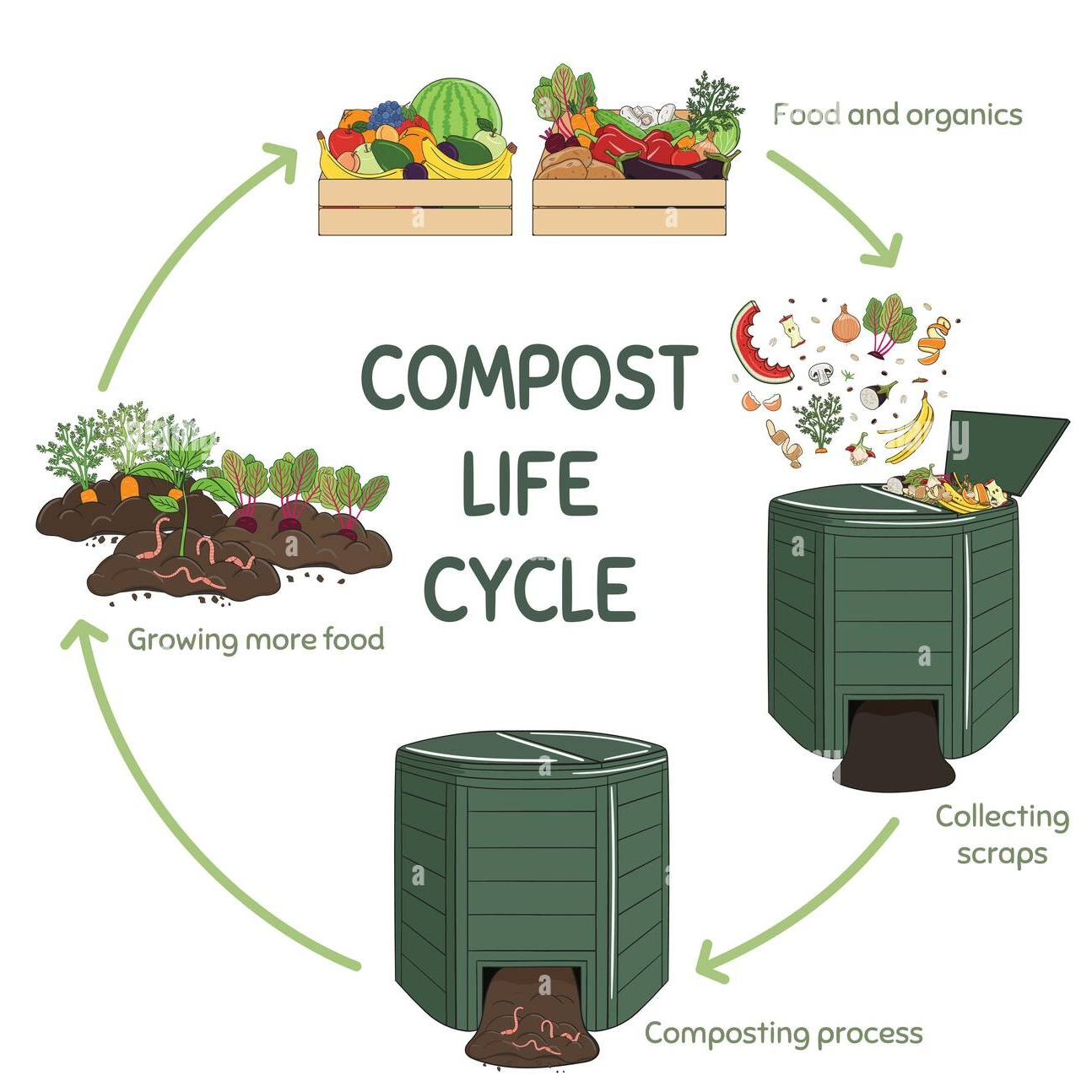
Composting transforms organic waste into nutrient-rich soil, reducing landfill waste and improving soil health.
Repair and reuse focus on fixing broken items or repurposing products to extend their life and reduce the need for new resources.
Biodegradable packaging is made from natural materials that break down easily in the environment, unlike traditional plastics.
Reduces waste, lowers carbon emissions, and conserves natural resources.
Creating green jobs and stimulating local innovation while reducing costs.
Fostering a cleaner, healthier environment for improved quality of life.
This project was funded by the European Union and implemented by Enabel and Mwanza City Council in collaboration with THEDI.